

Hellfire103
Young humanoid in the UK. Proudly LGBT. Slava Ukraini! | they/them
- 6 Posts
- 3 Comments




Services I Use:
- LibreX (search engine)
- CloudTube (YouTube proxy)
- PeerTube (federated YouTube alternative)
- Tutanota (mail & calendar)
- Organic Maps (maps app based around OpenStreetMap)
- Cryptee (encrypted notes)
- Matrix (chat)
- LibreOffice + Collabora Office (office suite)
- Kiwix (offline Wikipedia & other wikis)
- NetNewsWire (RSS reader, for news)
Arms of the Fediverse I Use Regularly:
- Mastodon
- Pixelfed
- Lemmy
- PeerTube
- WordPress
Dormant Arms of the Fediverse:
- Friendica
- Kbin
- Funkwhale
- WriteFreely
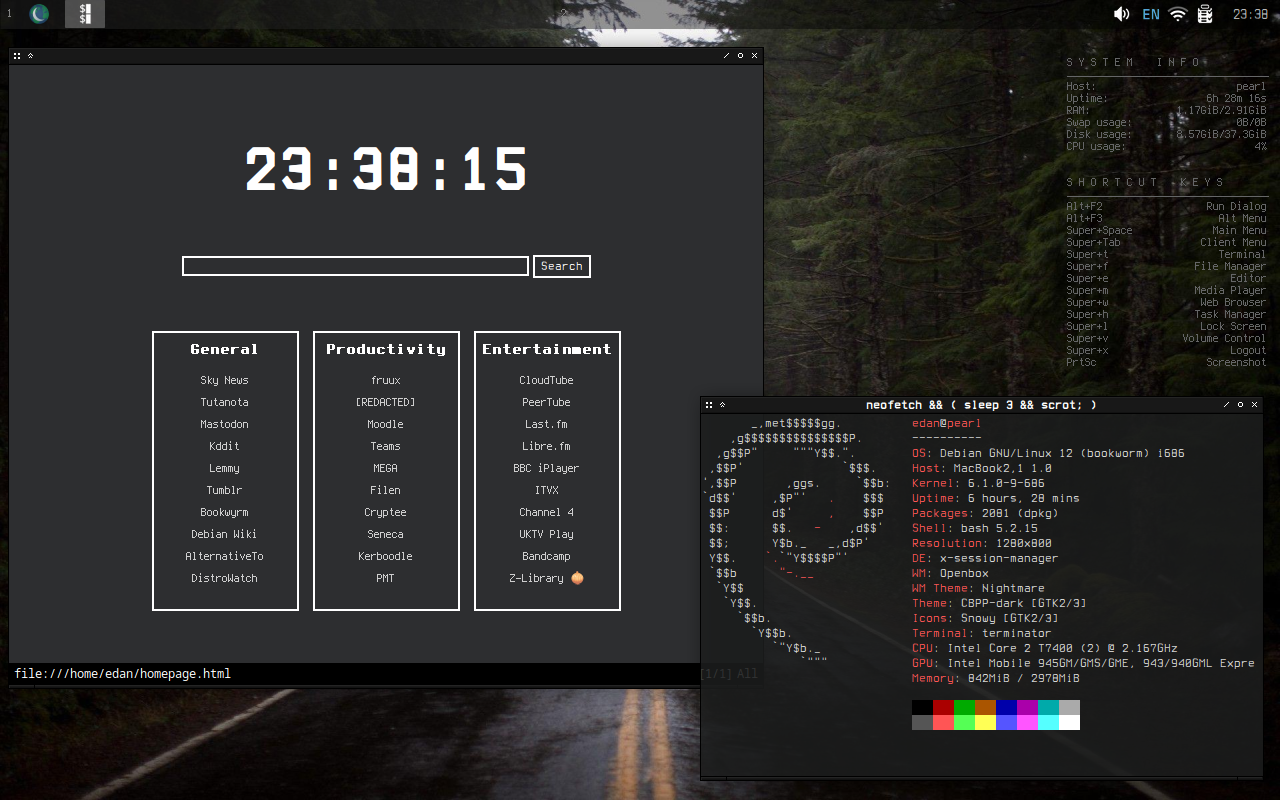
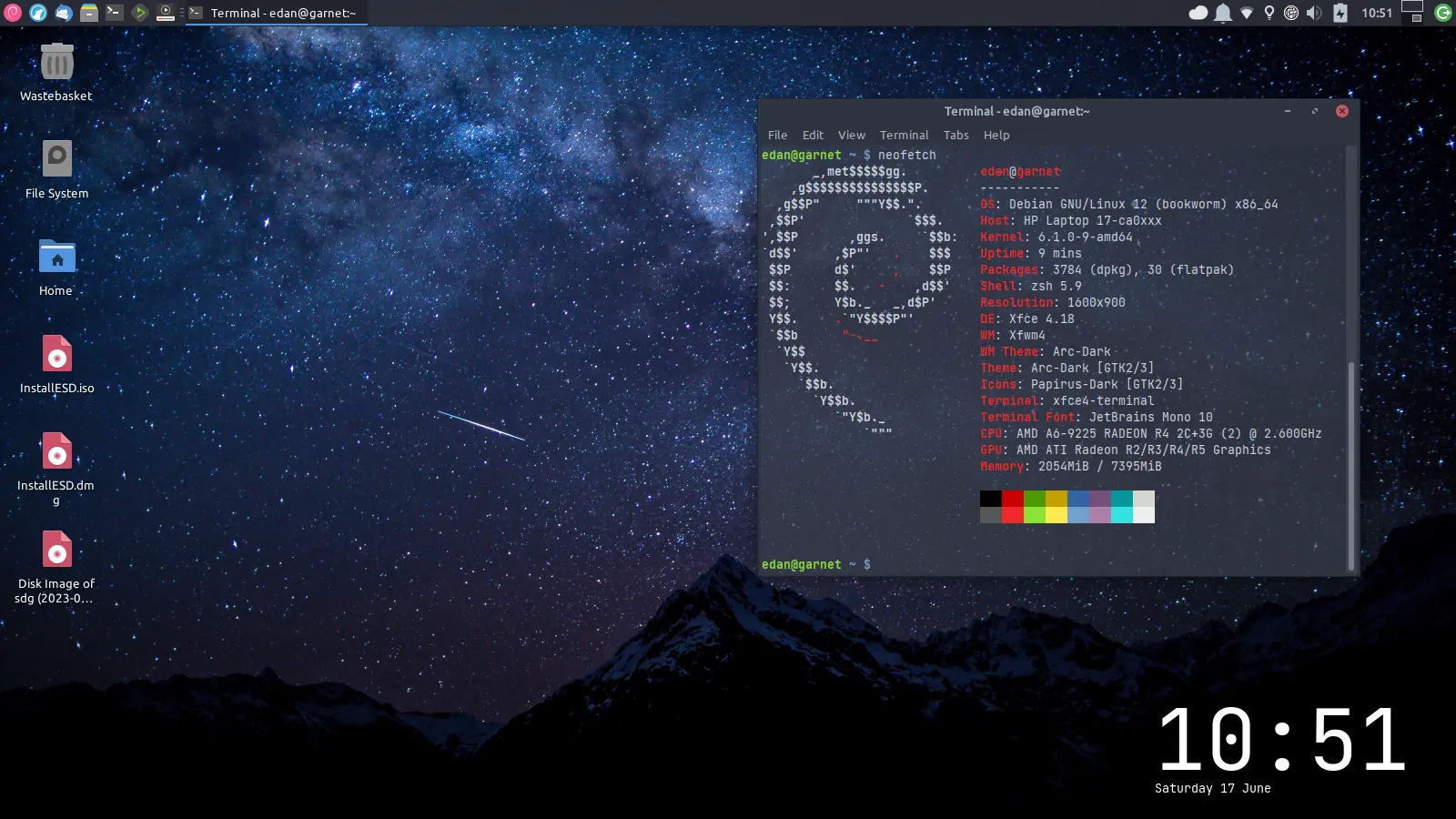
I have installed Linux on all four of my laptops, and I’m hoping to migrate from my iPhone to a Pixel with DivestOS as soon as I move out of my parents’ house (I’m currently 17), or sooner if possible.
I have also swapped many web apps for desktop apps, and my music collection has been based around CDs and DRM-free files since it started in 2016. In addition, I still use DVDs, VHS tapes, and (to a lesser extent) good old-fashioned Torrents for my films and TV shows.
If the internet becomes altogether too bad, there’s always Gemini. Making web apps is trickier, but entirely feasible.
https://en.wikipedia.org/wiki/Gemini_(protocol)
https://gemini.circumlunar.space/
I think there was also a federated social media site on Gemini, which could interact with Mastodon, but I can’t find it.
 1·2 years ago
Note: Distributions in italics are dormant or discontinued.
- ArchLabs
- Trisquel GNU/Linux-libre
- openSUSE
- crunchbang++
- Arch Linux
- Debian
- MX Linux
- Pop!_OS
- risiOS
- EndeavourOS
- Antergos
- Fedora
- elementaryOS
- Devuan
- BunsenLabs
- Peppermint OS
- Linux Mint
- siduction
- Frugalware
- Sabayon
- Artix
- AlmaLinux
- Springdale Linux
- Rocky Linux
- Mageia
- OpenMandriva
- SparkyLinux
- KANOTIX
- KNOPPIX
- LXLE
Well, there are two main methods of package management in FreeBSD, which (according to people who seem to know their stuff) should not be mixed.
Packages are pre-compiled binaries, which are installed with either:
# pkg install <package>or
$ doas pkg install <package>and can be found at FreshPorts.
Then there are ports. You have to enable this during installation. Essentially, it gives you a directory containing all of the available sources, known as the ports tree. You
cdin and run the command, and it pulls in the code, compiles it, and installs. However, due to my ancient processor, I do not use ports and so have no idea what commands to actually run or even where to find the ports tree in the first place.Remember to check the documentation!